
San Cristóbal El Alto
Guatemala
San Cristóbal El Alto
Guatemala
San Cristóbal El Alto
Guatemala
San Cristóbal El Alto
Guatemala
2025
Best Known For:
Tourism Development and Destination Management.
Cultural Heritage Promotion and Conservation.
Education & Skills Development.
Contact
San Cristóbal El Alto
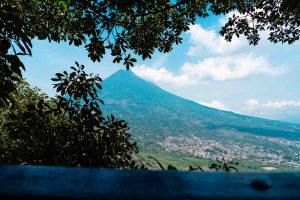
Located five kilometers from the colonial center of La Antigua Guatemala, Aldea San Cristóbal El Alto stands at 1,840 meters above sea level in the department of Sacatepéquez. The village enjoys a mild mountain climate, averaging between 14 and 19 degrees Celsius, surrounded by forests and agricultural landscapes. Founded in 1530 during the Spanish colonial period, it is home to a Maya Kaqchikel community that continues to preserve its ancestral language, cultural expressions, and traditional practices. With a population of 625 inhabitants, all of whom are literate, San Cristóbal El Alto sustains itself through small-scale agriculture, livestock, and artisanal production. The community has basic educational infrastructure for preschool and primary levels and celebrates its patron saint, San Cristóbal, each August with religious and cultural festivities. Tourism here focuses on authenticity and community participation, offering experiences that connect visitors to local gastronomy, handicrafts, and eco-trails that reflect the area’s cultural and natural richness.
HIGHLIGHTS
-
Reviving Guatemala’s First “Garden Village”
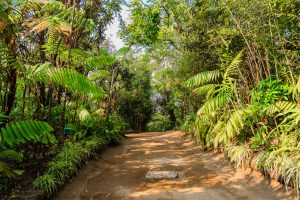
San Cristóbal El Alto is developing a project to become Guatemala’s first “Pueblo Jardín” or Garden Village, inspired by references in Fuentes y Guzmán’s Recordación Florida. The initiative seeks to revive an ancestral tradition in which residents of the area once decorated La Antigua Guatemala with flowers. Today, the community works collectively to reintroduce this heritage through the creation of communal gardens, landscape restoration, and environmental education programs. The project promotes civic engagement, enhances the aesthetic value of public spaces, and strengthens environmental awareness. For visitors, it offers an example of how tourism can contribute to cultural revitalization and sustainability. The Garden Village model positions San Cristóbal El Alto as a reference point in Guatemala for integrating cultural memory, community participation, and environmental stewardship.
-
A Living Museum
San Cristóbal El Alto has embraced the concept of a “Museo-Territorio” or Territorial Museum — a living model of heritage conservation that includes landscape, culture, and daily life as integral parts of its preservation. Unlike traditional museums that safeguard artifacts within enclosed spaces, this approach recognizes the entire village as a dynamic heritage site. Agricultural fields, workshops, and public spaces become components of an open-air museum that tells the story of the Maya Kaqchikel community. The initiative strengthens identity, encourages intergenerational learning, and uses art and heritage as tools for social transformation. The Museo-Territorio of San
Cristóbal El Alto demonstrates how communities can preserve and interpret their heritage while promoting sustainable development and cultural continuity.
-
Celebrating Nature and Community
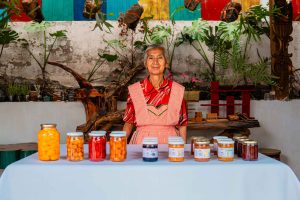
The Festival de Biodiversidad is an annual event that celebrates the natural and cultural wealth of San Cristóbal El Alto. Through workshops, exhibitions, and cultural activities, the festival raises awareness about environmental protection and the importance of biodiversity. It highlights the connection between traditional community practices and the local ecosystem, showing how ancestral knowledge contributes to sustainable living. The event involves both residents and visitors, fostering collaboration and respect for the environment. Beyond celebration, the festival serves as a platform for education and environmental action, reinforcing the community’s role in conservation efforts. The Festival of Biodiversity reflects the values of San Cristóbal El Alto — respect for nature, cultural pride, and collective responsibility toward a more sustainable future.