

Asolo
Italy
Asolo
Italy
Asolo
Italy
Asolo
Italy
2025
Best Known For:
Cultural Heritage Promotion and Conservation
Tourism Development and Destination Management
Partnerships and Networks
Contact
The Pearl of the Province of Treviso
Asolo, located in the Veneto region, is celebrated as one of Italy’s most enchanting small towns, known for its artistic spirit, rich history, and breathtaking landscapes. Surrounded by hills and vineyards, the village has inspired poets, artists, and travellers for centuries. Its heritage is reflected in elegant architecture, cobblestone streets, and lively cultural traditions. Festivals, concerts, and art exhibitions keep creativity alive, while local crafts and gastronomy celebrate regional identity. Sustainability is at the core of Asolo’s development, with initiatives that balance its historical character with the needs of modern tourism. Visitors are invited to explore its heritage sites, taste local wines, and participate in cultural events that showcase the resilience of community traditions. By weaving together culture, history, and sustainable practices, Asolo offers a model of how rural tourism can safeguard heritage while creating opportunities for future generations.
HIGHLIGHTS
-

Artistic Heritage and Cultural Life
Asolo’s reputation as a village of art and culture is celebrated through initiatives that preserve and promote its creative legacy. The village hosts art festivals, theatre performances, and literary events that attract visitors while engaging the local community. These cultural activities sustain identity, ensuring that heritage remains alive and relevant in the present. By involving local artists and craftspeople, the initiative strengthens the village’s economy and provides platforms for creative expression. Tourism benefits by offering authentic cultural immersion, while residents enjoy opportunities to share their traditions with pride. Sustainability is reflected in practices that prioritise local resources and reduce environmental impact during events. The artistic heritage of Asolo demonstrates how culture can be both a driver of tourism and a pillar of sustainable development. It ensures that the village continues to inspire creativity while safeguarding traditions for future generations.
-

Sustainable Wine and Gastronomy Routes
Asolo’s wine and gastronomy routes are central to its sustainable tourism offer. Visitors are guided through vineyards, farms, and restaurants that highlight traditional production methods and regional flavours. The initiative promotes eco-friendly practices in agriculture, including soil preservation, reduced water use, and biodiversity conservation. Local producers benefit directly, ensuring that economic growth is rooted in the community while traditions remain vibrant. Gastronomy workshops and tastings connect visitors to the stories behind the food, deepening appreciation of heritage. By integrating tourism with sustainable agriculture, Asolo ensures that its culinary identity remains both a cultural treasure and an economic resource. These routes also highlight responsible consumption, encouraging visitors to make choices that respect both environment and tradition. Through this initiative, Asolo demonstrates how gastronomy can link culture, sustainability, and prosperity, making the village a model of responsible rural development.
-
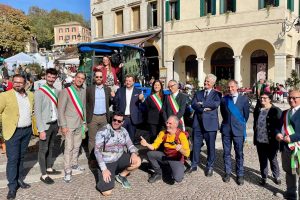
Festivals of Memory and Community
Asolo’s festivals are vibrant expressions of community life, bringing together art, music, and gastronomy in celebrations that honour history while embracing sustainability. These events provide platforms for local producers, artisans, and performers, ensuring cultural and economic benefits remain within the village. By adopting eco-conscious practices such as waste reduction and prioritising local materials, the festivals promote environmental responsibility alongside cultural vitality. Visitors experience authentic traditions while contributing to the preservation of heritage. Festivals also foster intergenerational ties, allowing younger residents to inherit and reinterpret cultural practices. The initiative ensures that festivals remain not only moments of joy but also drivers of sustainable development. By linking memory with creativity and responsibility, Asolo demonstrates how rural communities can use celebrations to strengthen identity, build resilience, and share their stories with the world.