
Kandelous
Iran
Kandelous
Iran
Kandelous
Iran
Kandelous
Iran
2025
Best Known For:
Cultural Heritage Promotion and Conservation
Economic Sustainability
Social Inclusion and Empowerment
Contact
Where History and Nature Weave Timeless Tales
Perched on the slopes of the Alborz mountain range beside the Caspian Sea in northern Iran’s Mazandaran Province, Kandelous is a village where 4,000 years of history blend seamlessly with natural beauty. This village has blossomed into a cultural and literary tourism destination thanks to community spirit and visionary leadership. Seventy years ago, Mr. Jahangiri founded the Jahangiri Foundation, spearheading the revival of Kandelous through restoring traditional architecture, establishing the richest rural museum in Iran, and developing a medicinal herb farm and factory producing over 60 health products. The village’s cultural fabric is further enriched by the enchanting tale of Mina and the Leopard—a 129-year-old local love story. This legend inspired a one-kilometer tourist trail, featuring murals, storytelling boards, and a tea house, attracting literary visitors. The 2019 UNESCO listing of the nearby Hyrcanian forests opened new opportunities for sustainable tourism. Today, Kandelous exemplifies how community-driven preservation of heritage, sustainable agriculture, and innovative tourism can foster economic growth while honoring the past.
HIGHLIGHTS
-
Mina and the Leopard
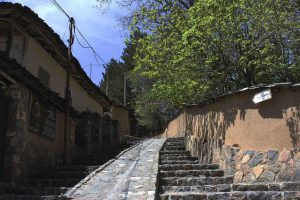
The story of Mina and the Leopard, a 129-year-old romantic folklore, is the heart of Kandelous’ literary tourism. Villagers transformed the path from Mina’s home to her secret meeting spot with the leopard into a captivating one-kilometer tourism trail. Along this route, murals vividly illustrate the tale, while storytelling boards and named alleys enrich the visitor experience. Local narrators share Mina’s mysterious romance, immersing tourists in living folklore. The Mina and Leopard tea house, created by the villagers, offers a cultural hub for visitors to gather. This trail not only preserves an ancient story but also empowers the community by promoting sustainable tourism rooted in local heritage. By engaging residents in managing this unique attraction, Kandelous fosters social sustainability, strengthening communal bonds and providing new economic opportunities. The trail’s success demonstrates how folklore and cultural storytelling can animate rural landscapes, making history accessible while respecting the environment and local traditions.
-

The Richest Rural Museum
Kandelous’ rural museum, the largest and richest of its kind in Iran, stands as a testament to the community’s dedication to preserving its heritage. Over seventy years, villagers collected more than 8,000 artifacts—including documents, coins, and pottery—housed in traditional architectural buildings that reflect local identity. This museum is a magnet for tourists, academic researchers, and students, supporting cultural education and scientific inquiry. Its development fostered improvements in local infrastructure, enabling sustainable tourism growth while safeguarding the village’s cultural assets. The museum serves not only as a repository of history but also as a catalyst for social and economic sustainability, empowering locals through heritage preservation and cultural pride. By integrating community participation in its creation and management, the museum strengthens ties between past and present, ensuring that Kandelous’ rich history continues to inspire future generations.
-
Building a Sustainable Future
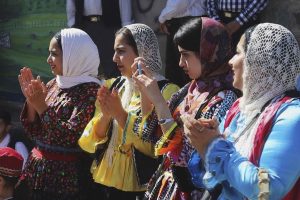
Seventy years ago, Mr. Jahangiri’s visionary establishment of the Jahangiri Foundation marked a new chapter for Kandelous, uniting locals around sustainable development. Through community collaboration, the foundation restored traditional architecture, founded the rural museum, and developed a 10-hectare medicinal herb farm. The farm’s factory now produces over 60 health and wellness products, offered to visitors and contributing to poverty reduction. The creation of the Kandelous Cultural and Tourism Complex further solidified the village as a pilot model for tourism-based growth. These efforts demonstrate how local facilitation management can successfully balance heritage preservation, environmental stewardship, and economic vitality. By prioritizing community engagement and sustainable agriculture, Kandelous continues to thrive without compromising its cultural fabric. This model showcases the power of locally driven initiatives to transform rural areas into vibrant, resilient destinations, honoring history while fostering prosperity.