
North Azraq
Jordan
North Azraq
Jordan
North Azraq
Jordan
North Azraq
Jordan
2025
Best Known For:
Climate Change Mitigation or Adaptation
Cultural Heritage Promotion and Conservation
Environmental Sustainability
Contact
N/A
Where Desert Memory Meets Living Culture
In Jordan’s eastern desert, approximately 100 kilometers from Amman, lies a village shaped by water, time, and culture. Perched on the edge of the Al-Azraq Basin and the volcanic plains of Wadi Sirhan, this ancient settlement is one of Jordan’s oldest inhabited areas, with traces of human life dating back over 200,000 years. Archaeological finds include stone tools and the remains of long-extinct animals such as mammoths and lions. The village is also a cultural crossroads, home to Chechen, Druze, and Bedouin communities who preserve their languages, cuisines, and crafts. From Roman fortresses like Qasr Al-Azraq to its role in the Arab Revolt, the village’s layered history continues to resonate. Environmental revival is at the heart of the community’s present, with the Royal Society for the Conservation of Nature leading efforts to restore the wetlands and biodiversity. Today, nature-based tourism, craft revival, and heritage conservation empower local livelihoods, turning this desert village into a thriving model of sustainable development.
HIGHLIGHTS
-
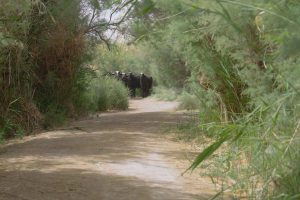
Art from the Sands, Painted with Purpose
Reviving a nearly forgotten art form, local women have transformed the ancient tradition of ostrich egg painting into a thriving cultural enterprise. Inspired by Byzantine-era mosaics that depict ostriches once native to the region, the Royal Society for the Conservation of Nature trained artisans in traditional dotting techniques. Each egg tells a story, painted with motifs of desert flora and fauna using natural dyes. These hand-decorated shells are now offered to visitors as authentic, eco-conscious souvenirs that connect craft to landscape. Beyond their beauty, these eggs provide sustainable income to local women while honoring the ecological and cultural legacy of Azraq. The initiative empowers artisans to participate in the tourism economy, preserving identity while creating opportunity. It also reintroduces a vital part of the area’s intangible heritage into contemporary life. Through craft, conservation, and creativity, this initiative exemplifies how heritage preservation can be both economically and socially transformative.
-
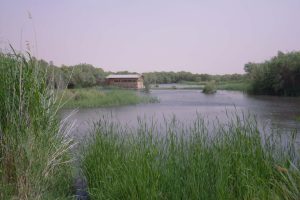
Restoring an Oasis, Reviving Community Spirit
Once nearly lost to overuse and drought, the Azraq Wetland Reserve now stands as a beacon of ecological recovery and community resilience. Spearheaded by the Royal Society for the Conservation of Nature, the wetland’s revival began in the 1990s with the allocation of 500,000 cubic meters of water annually, roughly 10% of its original flow. This reintroduction of water has reestablished critical bird habitats and supported biodiversity, while creating sustainable ecotourism opportunities. The reserve features birdwatching stations and interpretive trails that allow visitors to witness nature’s comeback story. Adjacent to the site is Azraq Lodge, a 15-room accommodation built on the foundations of a 1960s British field hospital, fully serviced with local supplies. The lodge not only accommodates travelers but also supports the surrounding community through employment and sourcing. This integrated approach to conservation and tourism creates lasting value, demonstrating how environmental stewardship can bring nature, history, and livelihoods back into balance.
-
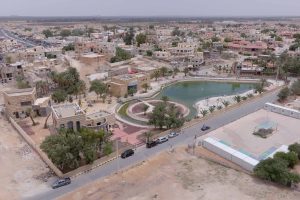
Turning Local Ideas into Tourism Innovation
In a bold move to empower grassroots tourism, a Nature-based Tourism Entrepreneurship Competition was held in late 2024. Organized in partnership with local and national stakeholders, the competition invited residents to pitch tourism business ideas grounded in Azraq’s cultural and natural assets. Twenty teams participated, showcasing proposals ranging from guided desert tours to handmade product studios. Ten finalists were selected by a panel of experts and awarded seed funding and coaching to launch their enterprises. This initiative not only jumpstarted community-driven tourism but also nurtured local innovation and pride. Entrepreneurs were encouraged to think creatively while respecting sustainability and heritage. By investing in human capital, the project helps residents become active contributors to tourism development rather than passive participants. It also ensures that economic benefits remain local. This initiative reflects a forward-thinking model for inclusive rural tourism that builds on tradition, celebrates identity, and fuels long-term resilience from the inside out.