
Soheili
Iran
Soheili
Iran
Soheili
Iran
Soheili
Iran
2025
Best Known For:
Environmental Sustainability
Gastronomy
Economic Sustainability
Contact
A myth, a star, and a village shaped by the sea
Located on Qeshm Island in southern Iran, Soheili is a coastal village nestled within Hormozgan Province and the Qeshm UNESCO Global Geopark. Its name is rooted in a local myth of Bohil and Soheil a tale of love and loss that gave rise to the Soheil star (Canopus), guiding fishermen through the night. This poetic story continues to draw visitors, as villagers share it while pointing to the night sky. Soheili is also home to the Khorkhoran Wetland and the Mangrove Forest Biosphere Reserve, both Ramsar-designated sites. To protect these fragile ecosystems, villagers transitioned to low-noise floats for tourism in 2018 and created a local movement to raise mangrove seedlings at home. Soheili now thrives as a model of sustainable wetland tourism, with birdwatching platforms, floating lodges, and a vibrant handicrafts market. Here, culture, myth, nature, and sustainability converge, offering visitors a profound and responsible tourism experience that empowers the local community.
HIGHLIGHTS
-
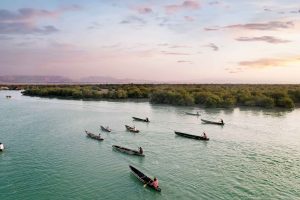
Community protects the mangrove with heart and hands
The people of Soheili have built their lives in harmony with the Khorkhoran Wetland and the Mangrove Biosphere Reserve. Since 2018, they have led a grassroots movement to protect these ecosystems by restoring traditional wooden boats, introducing quiet floating pavilions, and creating eco-friendly transport networks that avoid damaging mangrove roots. In September, women and children collect mangrove seeds, raise them in recycled containers at home, and replant them in December ensuring the next generation of trees thrives. This community-based restoration initiative enhances both environmental sustainability and economic resilience. Tourism tied to the biosphere generates income, while preserving the delicate balance of this protected area. Visitors are not just spectators they become witnesses to a living conservation culture. By blending heritage with stewardship, Soheili proves that rural communities can lead the way in safeguarding global ecosystems through innovation, tradition, and a deep respect for nature’s rhythms.
-
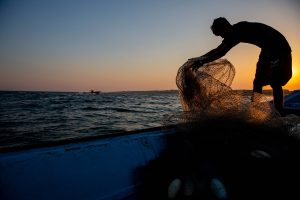
A culinary journey shaped by the sea
With the Persian Gulf at its doorstep, Soheili has turned its deep connection to the sea into a thriving gastronomy tourism destination. Fishing remains a key livelihood, but the community has added new value by developing a food culture that draws thousands of visitors each year. Eleven local restaurants now serve freshly prepared seafood with a combined capacity of 2,500 diners and employ 150 residents. Soheili is renowned for its traditional dishes, including the nationally registered Tomoshi bread, and is known for its creative flavors and local culinary identity. Food festivals and guided food tours offer immersive experiences into the region’s flavors and heritage. This thriving sector not only celebrates the local fishing culture but also creates sustainable jobs and preserves traditional recipes. Through seafood, storytelling, and community pride, Soheili invites the world to taste southern Iran turning its kitchens into cultural ambassadors and engines of local development.
-
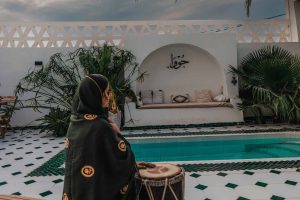
Tourism lifts the whole community
Soheili’s transformation into a wetland tourism hub has created meaningful employment opportunities for its residents and those from neighboring villages. With access to the Persian Gulf and the Khorkhoran Wetland, villagers have developed a wide range of tourism services that celebrate and protect their natural heritage. A network of 30 boats and low-noise floats now offers eco-friendly tours through mangrove forests. Traditional wooden boats are showcased in races and heritage festivals, blending culture with entertainment. A birdwatching site and two floating accommodations attract nature lovers, while a 20-store handicraft market supports local artisans. These initiatives combine to generate inclusive economic benefits across the region. Soheili’s tourism model empowers communities, preserves local traditions, and ensures that the environment remains at the heart of every visitor’s experience. By aligning conservation with livelihoods, Soheili demonstrates how rural villages can grow through sustainable tourism that values people, culture, and nature equally.