
Valendas
Switzerland
Valendas
Switzerland
Valendas
Switzerland
Valendas
Switzerland
2025
Best Known For:
Cultural Heritage Promotion and Conservation
Economic Sustainability
Environmental Sustainability
Contact
A Village Shaped by Water and Innovation
Valendas, located in the Swiss canton of Graubünden, is a village where natural landscapes and cultural heritage intertwine. Overlooking the Rhine Gorge, one of Switzerland’s most striking natural wonders, Valendas has long been shaped by water. Its baroque architecture, fountains, and traditional wooden houses reflect centuries of craftsmanship. The village promotes sustainable tourism through initiatives that conserve resources, support community development, and celebrate heritage. Festivals, gastronomy, and crafts highlight regional identity, while eco-friendly projects ensure resilience in the face of modern challenges. Visitors are invited to explore nature trails, enjoy local traditions, and learn about sustainability through innovative initiatives. By combining conservation, culture, and creativity, Valendas demonstrates how small villages can thrive while preserving their unique character and natural treasures.
HIGHLIGHTS
-
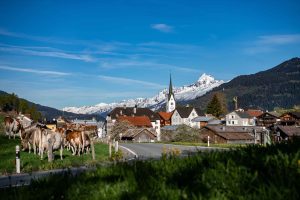
Water as Heritage and Resource
Valendas places water at the centre of its identity, using fountains, heritage sites, and educational programmes to highlight its cultural and ecological importance. The Rhine Gorge and village springs are preserved as vital resources, inspiring both community pride and tourism. Initiatives focus on conserving water, promoting responsible use, and educating visitors about the role of water in shaping landscapes and livelihoods. Festivals and cultural events incorporate water symbolism, linking heritage with modern sustainability efforts. For the community, water becomes both a resource and a story, uniting past and future. This initiative demonstrates how natural resources can be celebrated and protected through tourism, ensuring that development respects ecological balance. By linking water with identity, Valendas ensures that sustainability remains deeply rooted in its cultural and natural heritage.
-
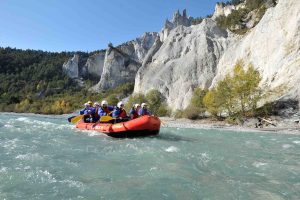
Heritage Preservation and Innovation
Valendas combines heritage preservation with innovative approaches to tourism and community development. Baroque houses, fountains, and wooden architecture are maintained through eco-friendly restoration techniques that respect history while ensuring sustainability. Local businesses integrate tradition with innovation, offering visitors authentic experiences that support the economy. Initiatives also promote renewable energy and responsible building practices, demonstrating how heritage and sustainability can align. By encouraging community participation, Valendas ensures that conservation efforts benefit both residents and visitors. Tourism becomes a platform for learning, inspiring respect for history and commitment to sustainability. This initiative highlights how rural communities can adapt traditions for modern challenges, ensuring resilience and pride. By integrating innovation with heritage, Valendas positions itself as a model of sustainable rural tourism.
-
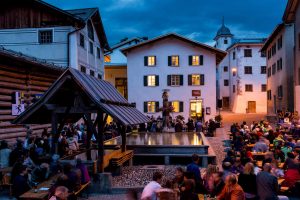
Festivals of the Rhine Gorge
Valendas celebrates its location near the Rhine Gorge with festivals that highlight culture, nature, and sustainability. Events bring together music, crafts, and gastronomy, showcasing the traditions of the region while promoting eco-friendly practices. The festivals provide opportunities for local farmers, artisans, and businesses to share their work, ensuring economic benefits remain within the community. By prioritising waste reduction and local sourcing, the events demonstrate environmental responsibility. For visitors, the festivals are immersive experiences that connect them to both landscape and culture. They also strengthen intergenerational ties, with traditions passed on and reinterpreted for modern audiences. By linking cultural vitality with sustainability, the festivals become more than entertainment—they are engines of rural development. Valendas demonstrates how small communities can use celebrations to preserve identity, promote resilience, and share their values with the world.