
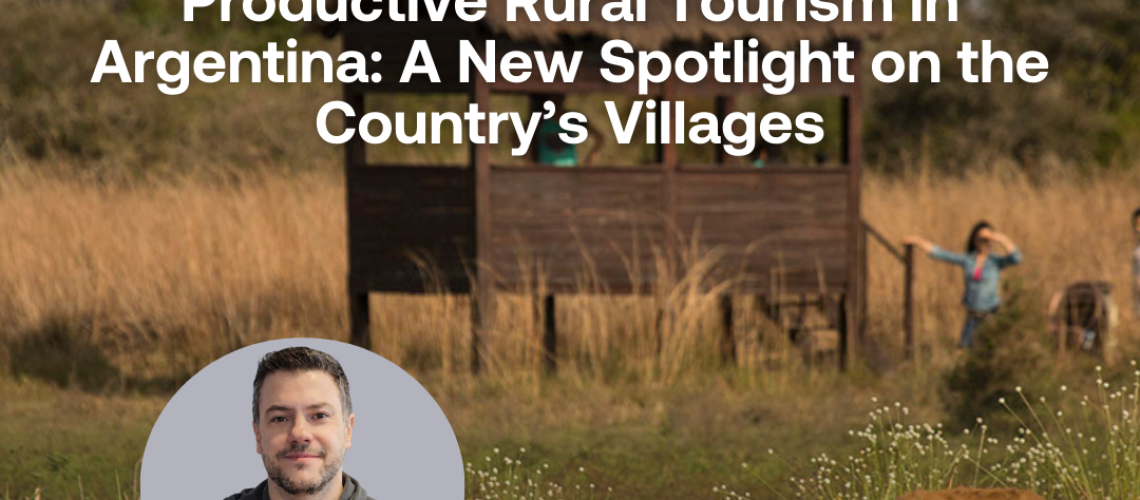
Rural tourism in Argentina has undergone a profound transformation. In the early 20th century, it was oriented towards a public that visited large estancias, where rural life was almost a staged experience. Over time, this perspective evolved: it became clear that tourism in rural environments can diversify local economies, strengthen community identity, and enhance the value of local productive and cultural practices.
The country’s geographic diversity makes it impossible to think of a single model of rural tourism. Each region offers experiences linked to local traditions, regional production, and community-managed accommodations, especially in small villages near urban centers, generating new economic opportunities.
After the COVID-19 pandemic, rural tourism consolidated its growth, though not without challenges: limited infrastructure, the need for stronger coordination among stakeholders, and the importance of preserving authenticity. In this context, the Best Tourism Villages programme of UN Tourism found fertile ground in Argentina. Villages embraced the initiative, recognizing it as a space that validates their history and their work.
Between 2023 and 2024, digital media coverage of the programme in the country increased by 371%, and by 2025, at least one article was published every two days, providing unprecedented visibility. The impacts were also evident across three key dimensions: sociocultural (a stronger sense of belonging), economic (growth in tourism, investment, and productive activity), and tourism development (creation of new experiences).
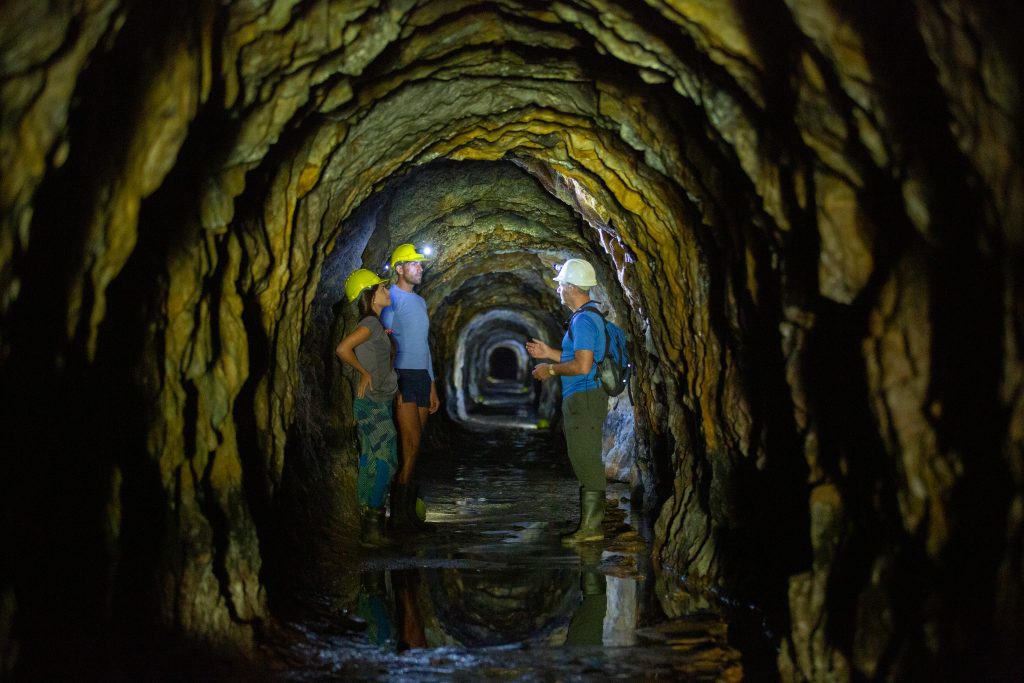
Guided tour of the historic gold mines in Best Tourism Village La Carolina
Diversity and Transformation: Achievements of Argentina’s Recognized Villages
Argentina currently has eight villages distinguished by the programme, each reflecting unique characteristics of rural tourism that express the country’s identity.
Caspalá, a small village of 300 inhabitants nestled among mountains at over 3,100 meters above sea level, was selected in 2021 largely due to the ancestral weaving traditions of its women—an essential component of its cultural identity. After receiving the distinction, it emerged as a true “discovery” within northern Argentina’s tourism landscape, spurring an expansion of its tourism offering: accommodation and family-run dining capacity nearly tripled compared to previous years, generating new opportunities for local development.
In La Carolina, also home to around 300 residents, the recognition obtained in 2023 drove a transformative impact. Its mining heritage, linked to the gold rush, was revitalized and led to the adoption of a pedestrian-only circulation model in the historic center, restricting vehicle traffic to protect heritage and enhance the visitor experience. Since its distinction, La Carolina has incorporated new tourism services, positioning itself as one of the most relevant destinations in its province.
Gaiman, located in a fertile valley chosen by Welsh settlers in the late 19th century, preserves a unique cultural landscape in Patagonia: traditional architecture, tea houses, chapels, and the continued use of the Welsh language. Its fruit-growing farms remain central to its productive identity, and the destination’s recent visibility has encouraged new rural tourism ventures, accommodations, and gastronomic proposals that strengthen the link between tradition and tourism.
Also in Patagonia, Caviahue–Copahue is known for its combination of volcanic landscapes, thermal waters, and high mountain scenery. Situated within a protected area, it is one of Argentina’s leading health tourism destinations, centered on thermalism. Its landscapes change dramatically in winter, when snow transforms the village and introduces winter sports. The distinction reaffirmed its ongoing lines of work, such as the promotion of geotourism.
Villa Tulumba, a historic village, is characterized by cobblestone streets, colonial lanterns, and 18th- and 19th-century houses that form an open-air museum. Its heritage is tied to the Camino Real, the route that linked Buenos Aires with Upper Peru during colonial times. The distinction obtained in 2024 strengthened its positioning and spurred investment in gastronomic proposals that integrate local cultural identity.
Trevelin has become widely recognized for the now-iconic image of its tulip fields. This is complemented by its productive rural profile and community-based rural tourism developed alongside Mapuche–Tehuelche communities, who coexist with descendants of Welsh immigrants. Trevelin was the first Argentine destination to participate in the Upgrade programme and, following a mentorship process, achieved BTV recognition. Today, it offers more than 1,500 tourism beds and has experienced steady visitor growth since its first application in 2021, driven by increased visibility.
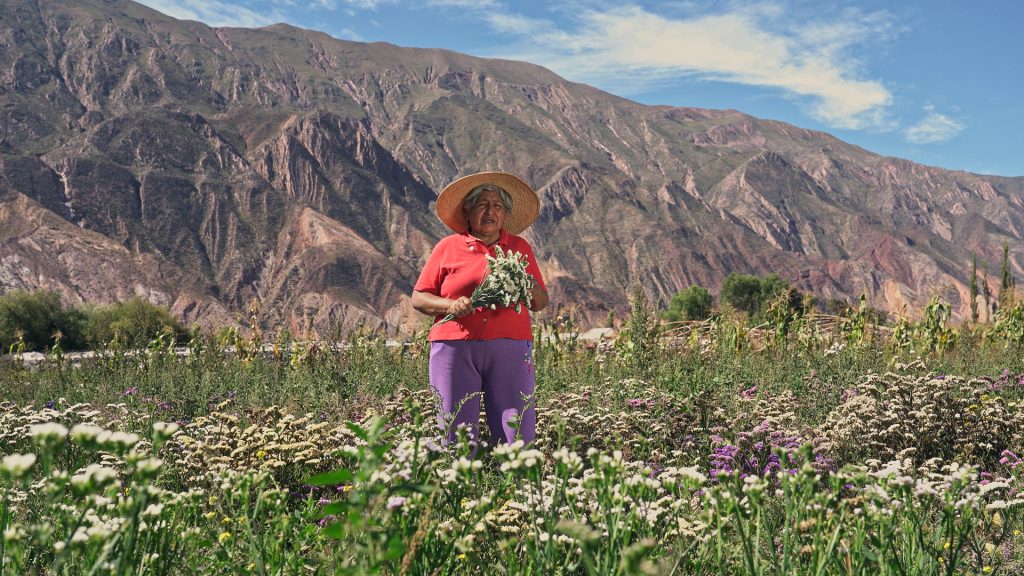
Visit to flower fields and local production areas in Best Tourism Village Maimará
The most recent recognized villages include Maimará, located in the Quebrada de Humahuaca (a UNESCO World Heritage Site). The village is becoming one of the region’s emerging destinations. Its mountain-based productive profile is reflected in crops such as Andean potatoes, corn, fruits, and flowers, all part of everyday life. These landscapes are framed by the striking Paleta del Pintor, a vividly colored mountain chain and one of the most iconic visual features of the Quebrada.
And Colonia Carlos Pellegrini, in the heart of the Iberá Wetlands, stands as one of Argentina’s most important nature destinations. It is a leader in conservation and wildlife recovery, particularly due to the reintroduction of the yaguareté, the largest feline in the Americas and an endangered species. Its cultural identity is expressed through Guaraní-influenced gastronomy and through chamamé, declared Intangible Cultural Heritage by UNESCO. After its selection as a Best Tourism Village 2025, a notable figure was recorded: during the first month, 35% of visitors stated that their trip was motivated specifically by the distinction.
For Argentina, the Best Tourism Villages initiative is a strategic priority. It serves as a concrete tool to recognize the efforts of rural villages, strengthen their development, give visibility to small destinations, and highlight their culture. But above all, the programme fulfills a fundamental role: it fosters local pride, empowering communities that recognize themselves as protagonists of their own future.
About the Author:
Rodrigo Báez is a tourism strategist, academic, and public sector expert with more than two decades of experience shaping sustainable tourism development across Argentina. He has led strategic planning initiatives for villages, provinces, and national tourism programmes, with a strong focus on territorial development and community-driven growth. For nearly 14 years, he has served within Argentina’s Secretariat of Tourism and Environment, advancing tourism products, domestic promotion, and federal collaboration.
(Disclaimer: The views expressed in this article are solely those of the contributor and do not necessarily reflect the opinions or views of UN Tourism or any affiliated organizations.)