
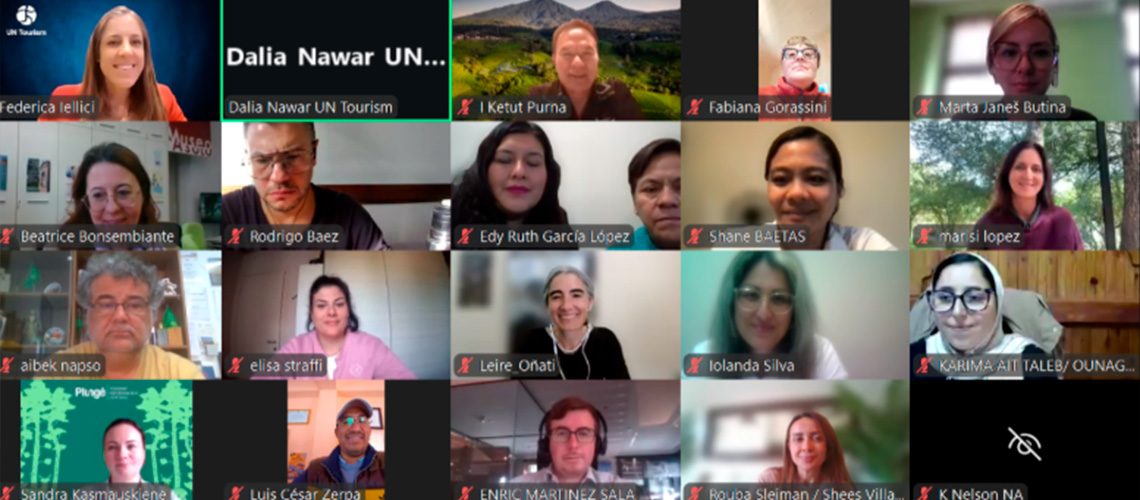
The Best Tourism Villages by UN Tourism Network organized another session of its Village Talks series on 30 April 2026, bringing together inspiring rural destinations and tourism experts to explore an increasingly important question: how can tourism help regenerate natural sites rather than simply protect them?
As tourism continues to grow across rural destinations worldwide, communities are facing mounting pressure to preserve the landscapes and ecosystems that make their destinations unique. From wetlands and mountain ranges to cultural landscapes and cave systems, natural sites are more than tourism attractions, they are living environments deeply connected to local identity, livelihoods, and heritage.
The session, titled “From Protection to Regeneration: Rethinking Tourism in Natural Sites,” focused on how destinations are finding innovative ways to balance tourism development with environmental stewardship, biodiversity conservation, and long-term sustainability.
One of the key takeaways from the discussion was clear: tourism can no longer focus solely on minimizing harm. Instead, it must actively contribute to restoring ecosystems, supporting communities, and building resilience against climate change.
Insights from the Experts
The session featured a keynote address by Dr. Jad Abou Arrage, who emphasized the importance of sustainable site management, community participation, and responsible visitor planning.
Drawing from his experience in ecotourism and environmental economics, he highlighted how destinations can better manage visitor flows, protect fragile ecosystems, and use tourism as a tool to strengthen biodiversity and climate resilience.
Villages Leading the Way
What made the session particularly inspiring were the real-world experiences shared by villages already putting these ideas into practice.
Jatiluwih, Indonesia
Located on the slopes of Mount Batukaru in Bali, Jatiluwih is a UNESCO-recognized cultural landscape known for its traditional Subak irrigation system — a community-based water management system rooted in the Tri Hita Karana philosophy, which emphasizes harmony between people, nature, and spirituality. The village’s iconic rice terraces are both a source of livelihood and a living heritage shaped by centuries of collective knowledge and practice. As tourism has grown, Jatiluwih has implemented a comprehensive management approach to protect its landscape while ensuring that tourism supports, rather than disrupts, its agricultural and cultural systems.
Oñati, Spain
Located in the Aizkorri mountain range in the Basque Country, Oñati is a rural destination known for its rich natural and cultural heritage. Among its most distinctive assets are the Arrikrutz Caves, part of a vast karst system shaped over thousands of years. This unique underground environment, home to significant geological formations and important paleontological remains, represents a fragile ecosystem that requires careful management. Oñati has developed a tourism model that ensures visitor access to the caves remains compatible with the protection of this sensitive natural heritage.
Carlos Pellegrini, Argentina
Located within the Iberá wetlands in the province of Corrientes, Colonia Carlos Pellegrini is a small rural community that serves as a gateway to one of the most important rewilding initiatives in South America. While the wetland ecosystem remained largely intact, it had lost key species, affecting its ecological balance.
Through rewilding efforts led by conservation organizations in collaboration with local stakeholders, key species have been reintroduced to restore ecosystem functionality and strengthen biodiversity. This process has also supported the development of nature-based tourism, creating new opportunities for the local community.
Looking Ahead
The discussion reinforced a growing shift in tourism thinking: protecting nature is no longer enough. Rural destinations are increasingly embracing tourism models that restore ecosystems, strengthen local traditions, and create lasting environmental and social value.
Through examples like Jatiluwih, Oñati, and Carlos Pellegrini, the Village Talks session offered an inspiring reminder that tourism, when managed responsibly, can become a powerful force for regeneration.
Explore the presentations shared during the session below:
BTV Village Talks – Keynote.pdf
BTV Village Talks – Jatiluwih Presentation.pdf
BTV Village Talks – Onati.pdf
BTV Village Talks – Carlos Pellegrini.pdf
Youtube link:
https://youtube.com/live/IEdxhoE9VyE?feature=share
For more updates and stories, follow our linkedin page here: