
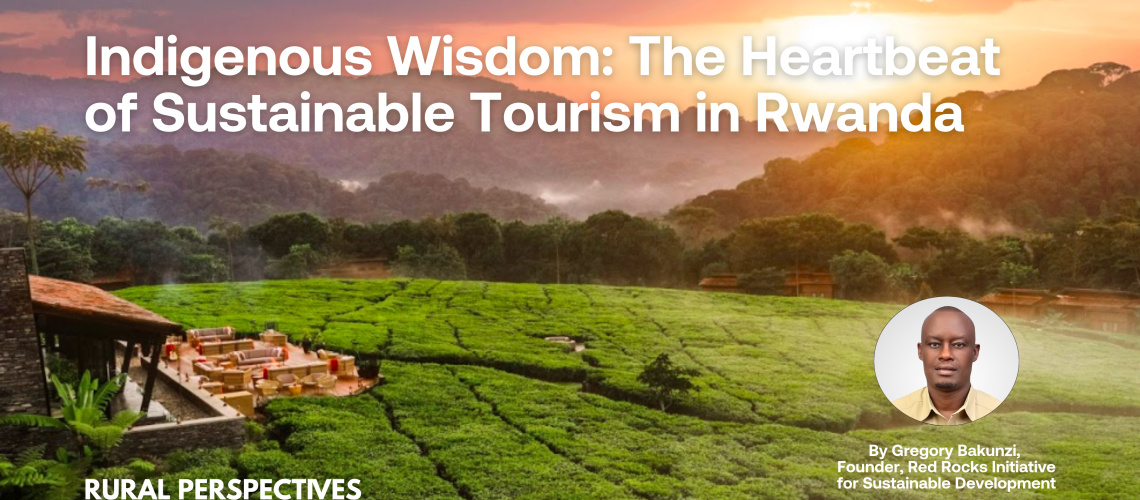
In the shadow of Rwanda’s volcanic highlands, Indigenous communities have long been the silent architects of cultural resilience and ecological stewardship. At Red Rocks Rwanda, we’ve witnessed how Indigenous identity isn’t just a heritage to preserve, it’s a dynamic force shaping the future of sustainable tourism. Together with the community of Nkotsi village, recognized by UN Tourism as one of Rwanda’s Best Tourism Villages, we are advancing initiatives that center Indigenous knowledge and community-led innovation in tourism and conservation. This partnership moves beyond token participation, establishing a framework where community ownership is the non-negotiable cornerstone of every venture, ensuring that the benefits of tourism are equitably shared and reinvested into the social fabric of the village.
Indigenous Identity as a Foundation for Sustainable Tourism
Rwanda’s traditions from Intore dance to Agaseke basket weaving are more than performances; they’re living systems of knowledge. By centering Indigenous voices in tourism, we’ve seen how storytelling transforms visitors into allies. For example, our Cultural Homestays program, led by local elders, generates 40% of household incomes while safeguarding intangible heritage. This model proves that tourism thrives when Indigenous communities lead its design. Guests don’t just observe; they participate in daily life, learning the meanings behind the rituals and the medicinal properties of native plants, fostering a deep, transformative cross-cultural exchange that challenges conventional tourist paradigms.
Empowering Communities Through Culture and Conservation
At Red Rocks, we bridge cultural preservation with environmental action. Our Red Rocks Cultural Festival a celebration of Rwandan heritage through music and dance directly funds reforestation near Volcanoes National Park. Meanwhile, women-led cooperatives producing traditional crafts now supply 30+ lodges, creating circular economies. The lesson? Indigenous innovation turns conservation into collective prosperity. This synergy is powerful; the same hands that weave intricate baskets are also planting trees, demonstrating that cultural and environmental preservation are intrinsically linked and that one cannot flourish without the other.
A Global Blueprint for Rural Tourism
Rwanda’s experience offers three universal lessons:
• Decolonize Tourism Development: Shift from “benefiting communities” to being led by them. Our advisory councils ensure Indigenous priorities guide every project.
• Measure Beyond Economics: Success includes revived traditions, like the resurgence of Umuganura harvest ceremonies among youth.
• Foster Intergenerational Exchange: Our apprenticeship programs pair elders with young guides, ensuring knowledge outlives its keepers.
This blueprint provides an actionable model for the global tourism industry, proving that the most resilient and authentic tourism products are those rooted in the deep, place-based wisdom of Indigenous people. It is a call to action to fundamentally rethink power dynamics and value systems.
As the world reimagines rural tourism, Indigenous voices remind us: sustainability isn’t a trend it’s a lineage. We’re grateful to amplify this message through your campaign. It is through honoring this ancient wisdom that we can genuinely forge a tourism economy that is not only profitable but also purposeful, just, and truly sustainable for generations to come.
About the Author:
Gregory Bakunzi is the co-founder of the Ruhengeri Community Eco-Tourism Association. He founded Red Rocks Rwanda to empower local communities through tourism and has earned international recognition for advancing conservation, community development, and sustainable livelihoods.
(Disclaimer: The views expressed in this article are solely those of the contributor and do not necessarily reflect the opinions or views of UN Tourism or any affiliated organizations.)