
Antônio Prado
Brazil
Antônio Prado
Brazil
Antônio Prado
Brazil
2025
Best Known For:
Cultural Heritage Promotion and Conservation
Gastronomy
Social Inclusion and Empowerment
Contact
A Living Legacy of Italian Heritage and Sustainable Innovation
Founded in 1886 as the last official Italian immigration colony in Rio Grande do Sul, Antônio Prado (population: 13,045, IBGE/2022) is nestled in the Serra Gaúcha within Brazil’s Atlantic Forest biome. With a temperate climate and landscapes of valleys, rivers, forests, and productive lands, the village is a vivid tapestry of nature and culture. Its historic center features the most authentic architectural ensemble of Italian immigration in Brazil, with 48 protected buildings recognized by IPHAN, surrounded by rich intangible heritage. Antônio Prado champions participatory public governance through active Municipal Councils for Culture and Tourism. Cultural policies encourage the safeguarding of traditional skills, including artisan crafts, supported by formal training and commercialization networks. Celebratory events like the Filó Italiano and FenaMassa connect generations, blending food, tradition, and community pride. Anchored in services, agribusiness, viticulture, and tourism, the local economy offers experiences such as the Heritage Circuit, rural trails, and a developing Film Commission all built on inclusion, sustainability, and identity.
HIGHLIGHTS
-
Filó Italiano – Culture Served Around the Table
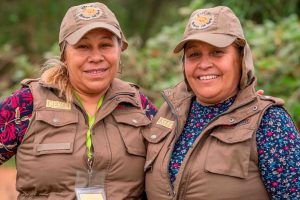
The Filó Italiano of Antônio Prado is a vibrant cultural and gastronomic event that brings to life the customs of Italian immigrants while promoting social inclusion and sustainable development. This immersive experience invites visitors to share in traditional songs, dialects, rural storytelling, and heritage recipes passed down through generations. As a community-driven initiative, it creates income-generating opportunities for local groups while preserving intangible cultural heritage. The Filó connects rural and urban residents with guests through the celebration of living traditions, reinforcing a shared identity and deep sense of belonging. By combining entertainment with heritage education, it strengthens intergenerational bonds and cultural continuity. Its alignment with the UN Sustainable Development Goals (SDGs 11.4 and 8.9) showcases how cultural tourism can enhance local resilience, promote inclusive economic growth, and preserve diversity. In Antônio Prado, the Filó is more than an event, it’s a living tradition that nourishes both the community and its visitors.
-
Paths Through Nature and Community
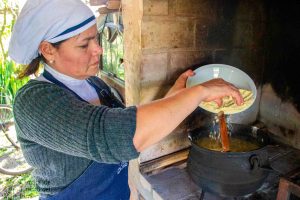
The Cyclotourism and Hiking Routes of Antônio Prado promote sustainable travel and a deeper connection with the rural landscapes of the Atlantic Forest. Featuring two well-marked, self-guided trails, the initiative encourages healthy lifestyles, nature immersion, and eco-friendly mobility. These routes go beyond physical activity, they provide an experiential journey through the village’s cultural and natural heritage, revealing stories of rural life, scenic biodiversity, and local traditions. By linking tourism with small-scale producers and family-run businesses, the program creates new income streams and strengthens the local economy. It reflects a community-based approach to development that balances conservation with opportunity, making it a model aligned with SDGs 3.4, 13.3, and 12.2. The routes are a celebration of António Prado’s values: resilience, sustainability, and hospitality. They invite visitors to slow down, connect with the land, and appreciate a lifestyle where people and nature thrive together in harmony.
-
Heritage Circuit – Connecting the Past with the Future
The Heritage Circuit in Antônio Prado offers a unique and interactive way to explore the most authentic architectural legacy of Italian immigration in Brazil. This self-guided route uses QR codes on heritage buildings to deliver accessible digital content on local history, architecture, and culture, allowing visitors to engage with the village’s past in an innovative, user-friendly format. The project fosters heritage education for both residents and tourists, raising awareness of the importance of cultural preservation. By democratizing access to information and encouraging exploration, the initiative deepens the connection between community and place. It strengthens public appreciation of Antônio Prado’s rich cultural identity while promoting inclusive tourism experiences. Fully aligned with SDGs 4.7 and 11.3, the Heritage Circuit demonstrates how tradition and technology can work hand in hand. It is a compelling example of how rural destinations can protect their past while building a more informed, connected, and sustainable future.