
Barbaros
Türkiye
Barbaros
Türkiye
Barbaros
Türkiye
Barbaros
Türkiye
2025
Best Known For:
Climate Change Mitigation or Adaptation
Gastronomy
Social Inclusion and Empowerment
Contact
Barbaros – A Living Tapestry of Heritage, Creativity, and Community
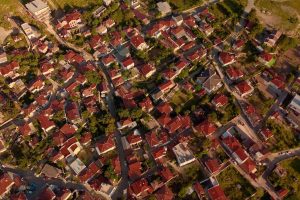
Barbaros is a captivating village just 22 km from Urla and 55 km from İzmir, renowned for its vibrant culture, deep-rooted history, and community spirit. Known as the “Pink Village” for hosting Türkiye’s first female coffeehouse owner, Barbaros beautifully blends tradition with innovation on the Urla Vineyard Route. Its charming streets are adorned with handcrafted scarecrows, symbols of the beloved Barbaros Scarecrow Festival, created through folk art, storytelling, and community collaboration. This festival, launched in 2016, revitalizes local crafts, food, and cultural pride while attracting visitors from afar. Surrounded by tranquil ponds, ancient water wells, and lush vineyards, the village offers authentic experiences like home-cooked Aegean meals, open-air movies, and traditional sewing of Barbaros Dolls. The village’s initiatives, such as the Water Culture Heritage project and the Knock Knock Houses, exemplify its deep connection with water, hospitality, and sustainable development. Barbaros invites visitors to immerse themselves in rural life, gastronomy, culture, and community, an unforgettable harmony of past and future, sustaining local identity through responsible tourism and pride.
HIGHLIGHTS
-
Celebrating Culture and Community: The Barbaros Oyuk Festival
Since 2016, the Barbaros Oyuk (Scarecrow) Festival has become the heart of village life, turning simple scarecrows into powerful symbols of local identity and creativity. This dynamic event merges folk art, storytelling, and communal participation, transforming the village into a colorful tableau of vibrant displays. The festival encourages residents and visitors to co-create artful scarecrows, fostering local craftsmanship, food production, and cultural pride. By promoting this tradition, Barbaros not only attracts sustainable tourism but also revitalizes its cultural heritage and craftsmanship in an environmentally friendly way. The festival’s participatory spirit creates meaningful connections between the community and visitors, emphasizing sustainable growth rooted in local culture. It celebrates rural life, encourages local enterprise, and nurtures a shared sense of identity and pride. Through the Festival, Barbaros exemplifies how cultural festivities can be a sustainable platform for community development, economic benefits, and cultural preservation, embodying the true spirit of responsible rural tourism.
-
Authentic Hospitality in Every Home: The Knock Knock Houses Initiative
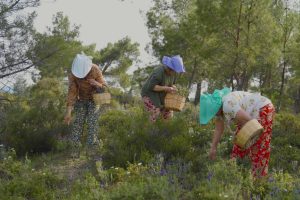
Inspired by the success of the Barbaros Oyuk Festival, the Knock Knock Houses initiative offers visitors an authentic glimpse into village life by opening select homes for local, home-cooked meals. Marked with special signs, these homes create direct economic benefits for participating families while fostering meaningful cultural exchange. This initiative transforms traditional hospitality into a cornerstone of rural tourism, emphasizing sustainability, community involvement, and cultural pride. During the festival, up to six households participate, sharing their culinary traditions and personal stories, thus strengthening social bonds and supporting local livelihoods. By encouraging community-led experiences, Barbaros ensures that tourism benefits are shared locally while preserving its genuine character. The project supports a sustainable model of rural tourism, deepening visitors’ connection with local culture, empowering families economically, and promoting responsible travel. The Knock Knock Houses initiative exemplifies how authentic, community-based tourism can foster social cohesion, cultural preservation, and sustainable economic development in rural settings.
-
Water Heritage as Cultural Legacy
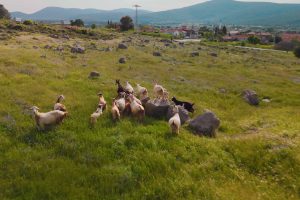
Barbaros’s Water Culture Heritage project explores the village’s profound relationship with water, emphasizing conservation and cultural memory. Through oral history, eco-art, and the creation of a cultural walking route connecting ancient wells and ponds, the initiative seeks to reclaim and reinterpret the water heritage of the village. These community-led efforts highlight the social, environmental, and cultural importance of water resources, fostering a sense of pride and stewardship among residents and visitors alike. By highlighting ancient water sources and their stories, the project promotes awareness of sustainable water use and the importance of preserving natural ecosystems. It also enhances the village’s attractiveness as a responsible and sustainable destination. The water heritage initiatives serve to strengthen community bonds, preserve local traditions, and encourage ecological mindfulness, ensuring that future generations continue to value and protect their water resources, safeguarding both cultural identity and environmental health.