
Carlos Pellegrini
Argentina
Carlos Pellegrini
Argentina
Carlos Pellegrini
Argentina
Carlos Pellegrini
Argentina
2025
Best Known For:
Cultural Heritage Promotion and Conservation
Gastronomy
Tourism Development and Destination Management
Contact
A Sanctuary of Biodiversity and Living Culture
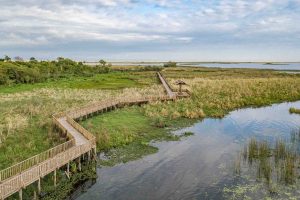
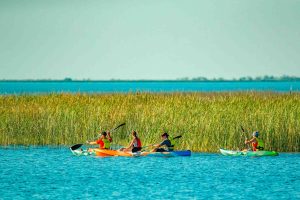
Located in the heart of Corrientes, Argentina, the village of Colonia Carlos Pellegrini is the main gateway to the majestic Esteros del Iberá, one of South America’s most important wetlands. With a population of 1,120, this destination has become a model for nature-based tourism and conservation for over 15 years. Nestled on the shores of Laguna Iberá, a Ramsar Site of international importance, the village is surrounded by protected areas of high ecological value, including the Iberá National and Provincial Parks, home to an extraordinary diversity of life.
Designated the Biodiversity Capital of the Province and certified as a Starlight Reserve for its pristine night skies, the village is also a cultural sanctuary. Its traditional music and dance, Chamamé, is recognized by UNESCO as Intangible Cultural Heritage of Humanity. Locals proudly welcome visitors with Guaraní cuisine, distinctive woodcraft inspired by local wildlife, and a deep-rooted commitment to sustainable development. In Colonia Carlos Pellegrini, tourism not only protects nature, but it also transforms lives, positioning the village as a beacon of resilience and harmony between tradition and the future.
HIGHLIGHTS
-
Reviving Wildlife, Restoring Livelihoods
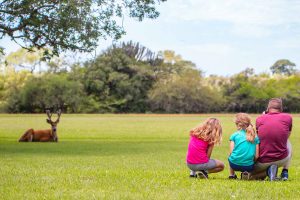
The reintroduction of endangered species is one of the most innovative pillars of Colonia Carlos Pellegrini’s conservation model. Through a pioneering program in the Iberá Wetlands, emblematic animals such as the jaguar, the giant anteater, and the collared peccary have been returned to their natural habitat. This initiative not only strengthens regional biodiversity but has also led to a profound and sustainable shift in local employment. Former hunters and baqueanos, once disconnected from tourism, have been trained as trackers, guides, and park rangers, drawing on their ancestral knowledge of the land. This transformation demonstrates how conservation can serve as a powerful tool for social and economic inclusion, creating meaningful opportunities for residents. In this process, the community becomes a key player in protecting its natural heritage, proving to the world that it is possible to build a thriving future without letting go of the past.
-
Guided by Women, Rooted in Memory
In Colonia Carlos Pellegrini, history and tradition are now voiced by women. A targeted training program has empowered local women to become cultural guides, leading interpretive tours that bring the village’s collective memory to life. This initiative not only honors their essential role in passing down intangible heritage but also promotes gender equality within the rural tourism sector. The tours they lead uncover local customs, stories, and knowledge that enrich the visitor experience, fostering an authentic cultural exchange. Beyond cultivating local pride, this initiative provides new economic opportunities for women, many of whom are earning an independent income for the first time. Female empowerment has become a catalyst for sustainable change, showing that cultural preservation also means expanding and amplifying the voices that represent it.
-
Flavors and Crafts of the Iberá
The soul of Colonia Carlos Pellegrini is also tasted and shaped by hand. Through the creation of Iberá chefs and artisans networks, the community has elevated its gastronomic and artisanal identity, reviving ancestral knowledge passed down through generations. The chefs’ network reimagines traditional Guaraní cuisine using native ingredients, offering visitors a culinary experience rooted in place and tradition. Meanwhile, the artisans’ network promotes handcrafted woodwork inspired by local wildlife, symbolizing the deep connection between culture and nature. These initiatives not only strengthen the local economy but ensure the preservation of traditional skills within a context of responsible tourism. Collaboration between producers and hosts turns every meal and every crafted item into a living story of the Iberá, where sustainability is cooked, carved, and celebrated by the community itself