
Digang Village
China
Digang Village
China
Digang Village
China
Digang Village
China
2025
Best Known For:
Cultural Heritage Promotion and Conservation
Partnerships and Networks
Social Inclusion and Empowerment
Contact
N/A
Rooted in Silk, Sustained by Water and Wisdom
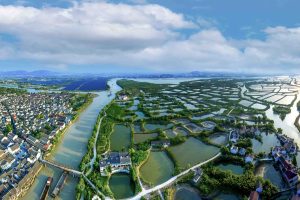
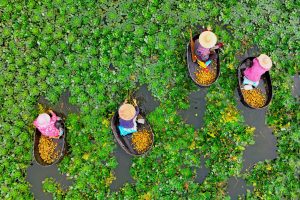
Along the ancient southern stretch of China’s Grand Canal lies a water town shaped by 2,500 years of history and harmony. Located in northern Zhejiang Province, this village is home to the globally renowned “Mulberry-Dyke & Fish-Pond System,” a circular eco-agricultural model that integrates over 322 species, including indigenous mulberries and silkworms. More than half the villagers still practice this sustainable farming method today. As a living museum of Chinese sericulture, the village safeguards the national-level intangible heritage of silk weaving and craftsmanship, with 81 official bearers preserving and showcasing traditional techniques. Rural tourism thrives here, blending homestays, culinary experiences, and educational tours rooted in agricultural heritage. Over 60 percent of households now participate in tourism, and villagers’ disposable income has doubled in the last decade. In 2024, over 340,000 visitors from 40 countries generated $14.6 million in tourism revenue. With deep cultural roots, environmental stewardship, and inclusive development, this canal-side village exemplifies how tradition and innovation can grow side by
HIGHLIGHTS
-
From Fishpond to Classroom, Study Tours Bring Growth
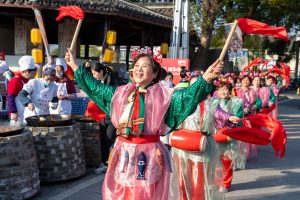
Turning heritage into opportunity, the village has transformed traditional farming into dynamic educational tourism. Supported by the village committee, over 200 households now host immersive study tours under the “Fish and Mulberry Family” program. These tours offer hands-on experiences rooted in the Mulberry-Dyke & Fish-Pond System, allowing visitors to explore sustainable farming, silkworm cultivation, and rural life. Each household curates a unique curriculum, blending ecological education with cultural storytelling. Villagers have received targeted training to become instructors, guides and facilitators, fostering pride and ownership in their heritage. The result is a powerful model of community-led tourism where learning and livelihoods grow together. On average, each participating household earns an additional $2,750 annually. This approach not only boosts incomes but also deepens visitor appreciation for rural sustainability. By turning everyday life into meaningful experience, the village has built an inclusive, resilient tourism economy that honors both its environment and its people.
-
Women Cultivate a Legacy of Living Heritage
For over two decades, local women have led the protection and promotion of the Mulberry-Dyke & Fish-Pond System, the village’s defining agricultural heritage. Collaborating with agricultural experts, these women have played a crucial role in its recognition as a Globally Important Agricultural Heritage System. Their leadership ensures this integrated eco-farming model remains central to village identity and a core attraction for sustainable tourism. Through hands-on conservation, interpretation, and education, they bridge tradition and modern relevance. Their efforts have also fostered environmental awareness and community resilience. As guardians of biodiversity and keepers of knowledge, women in the village are not only preserving a thousand-year-old system but also using it as a foundation for cultural continuity and economic growth. Their work demonstrates how gender-inclusive leadership strengthens sustainability and cultural pride. In doing so, they have transformed fields and ponds into living classrooms and livelihoods, where heritage is cultivated with care and purpose.
-
Local Wisdom Shapes a Global Showcase
Community talent and cultural pride have come together to create a destination rooted in craftsmanship and creativity. Tapping into the strength of local elites, both those who remain and those who returned to the village revitalized an abandoned elementary school and turned it into a vibrant cultural space. In collaboration with 81 national intangible cultural heritage inheritors, the “China in Intangible Cultural Heritage” Exhibition Hall was established, offering a rich display of traditional silk weaving and related arts. Since opening, it has welcomed more than 200,000 visitors, becoming a cultural and educational hub. This initiative preserves valuable heritage while generating tourism revenue and educational value. It reflects the village’s broader strategy of integrating local knowledge and networks into development. By transforming idle spaces into meaningful venues, and engaging skilled residents in their revitalization, the village proves that cultural innovation and community collaboration can breathe new life into rural spaces, creating lasting social and economic impact