
Dongluo Village
China
Dongluo Village
China
Dongluo Village
China
Dongluo Village
China
2025
Best Known For:
Cultural Heritage Promotion and Conservation
Economic Sustainability
Value Chain Integration
Contact
N/A
Where Water and Land Build a Living Legacy
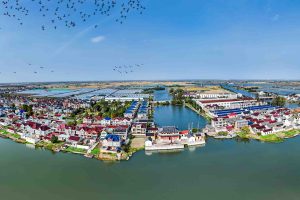
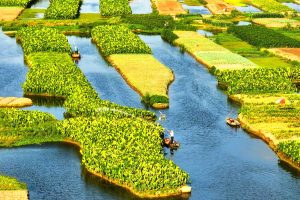
Nestled in Jiangsu Province’s Lixia River region, this historic village thrives in harmony with water, land and time. Located in the Xinhua Duotian area recognized as a Globally Important Agricultural Heritage System (GIAHS) and World Irrigation Engineering Heritage site, the village has over 600 years of continuous cultivation and cultural preservation. Its hallmark is the ingenious “duotian” or “stack field” system, where raised plots on marshlands grow vegetables above, while fish and shrimp live in the waters below. This centuries-old model of water-land integration continues to sustain both people and biodiversity. With 57 percent green coverage and wetlands surrounding Pingwang Lake, the village is home to 42 bird species. Through targeted micro-renovation, historical landmarks like the Grand Hall and the Shen Family Residence have been respectfully restored. Today, tourism flourishes with cultural events and eco-experiences, involving 60 percent of villagers, half of whom are women. The community balances conservation and development through shared governance, co-investment, and heritage celebration. This is a place where sustainable tourism is not a vision but a reality, rooted in local wisdom, enriched by natural beauty, and carried forward by a united community.
HIGHLIGHTS
-
Preserving the Stacks Sustains the Soul
A shared commitment to conservation lies at the heart of this village’s sustainable success. Through an innovative Shared Heritage Protection Mechanism, heritage protection is a joint effort shaped by three key forces. The government lays the foundation by establishing protection regulations for the ancient stack fields, ensuring their ecological and historical value is safeguarded. The community enacts these rules through locally tailored village codes that make them practical and relevant. Most importantly, villagers themselves take pride in promoting the culture and legacy of the duotian system, becoming ambassadors of their own heritage. This collaborative structure encourages stewardship, transmits ancestral wisdom, and ensures environmental balance for future generations. The approach creates more than policy—it fosters a living tradition that strengthens community identity and cohesion. By weaving together regulation, participation and pride, the village offers a replicable model of grassroots conservation where heritage is not just preserved, but embraced and passed forward with purpose.
-
Growing Together Builds a Stronger Tomorrow
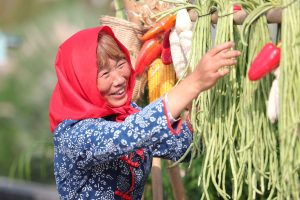
Empowerment and equity shape the village’s path to sustainable development through a Co-Construction and Shared Benefit Model. In this structure, the government enhances public services and rural infrastructure, laying the groundwork for inclusive tourism growth. Meanwhile, villagers contribute land and housing as equity, becoming partners in tourism ventures. These initiatives from project development to operations are collectively managed, and profits are distributed based on each party’s investment and role. This model turns villagers into stakeholders, fostering a deep sense of ownership and responsibility. It ensures that economic benefits stay within the community, while encouraging sustainable land use and cultural preservation. By aligning government support with community initiative, the village has transformed tourism from an external activity into a shared journey. This framework not only uplifts livelihoods but also reinforces a long-term vision rooted in cooperation, resilience and respect. Together, the community builds prosperity without compromising its cultural and ecological foundations.
-
Celebrating Culture Shapes the Future
Festivals and storytelling have become powerful tools in promoting the village’s rural charm and natural beauty. Through a targeted marketing approach, the community has built a brand that reflects its values and heritage. Signature events like the Stack Fields Culture Festival and the Xinghua Boat Festival invite visitors to experience traditions shaped by water and time. These celebrations are not simply performances, they are immersive expressions of local identity, connecting guests with authentic practices and seasonal rhythms. Each event supports the Lucid Water Dongluo brand, which communicates harmony between land, lifestyle and ecology. Through cultural promotion and eco-tourism, the village encourages responsible travel while strengthening community pride and intergenerational bonds. The festivals create meaningful engagement and economic opportunity, especially for women and youth. By focusing on what makes the village unique, this strategic approach ensures that tourism development remains authentic, inclusive and deeply rooted in place. Culture here is not just remembered, it is lived, shared and celebrated.