

Koyasan
Japon
Koyasan
Japon
Koyasan
Japon
Koyasan
Japan
2025
Best Known For:
Cultural Heritage Promotion and Conservation
Economic Sustainability
Governance
Contact
Harmony of Faith, Heritage and Nature
Located 800 meters above sea level in the Kii Mountain Range of Wakayama Prefecture, Koyasan is one of Japan’s most sacred Buddhist sites. Founded in 816 by Kobo Daishi Kukai, this tranquil mountain village is the spiritual heart of Shingon Esoteric Buddhism. Its deep cultural heritage is alive in Kongobu-ji Temple, where monks continue traditional training, and in the extensive writings of Kukai that remain relevant today. Visitors can participate in rituals, including Ajikan meditation, fire ceremonies, and sutra copying, offering a rare cultural immersion. Staying in one of the 51 temple lodgings, guests enjoy vegetarian cuisine and witness daily monastic life. Koyasan balances tradition and tourism through smart, sustainable measures such as congestion forecast calendars and ICT-based traffic guidance, promoting weekday visits and public transport use. A community-led staffing initiative also supports temple lodgings and restaurants, ensuring smooth operations and cultural preservation. Koyasan exemplifies how sacred heritage, tourism, and community resilience can coexist in harmony.
HIGHLIGHTS
-

Staying at a temple connects people to living tradition.
Koyasan offers visitors a transformative experience through its 51 temple lodgings, where they can live like monks in a deeply immersive setting. Guests sleep on futons, eat shojin ryori (Buddhist vegetarian cuisine), and attend morning rituals featuring shomyo sutra chanting. This experience allows travelers to witness and engage with authentic Shingon Buddhist practices founded by Kobo Daishi Kukai in 816. These sacred stays go beyond tourism they serve as powerful cultural exchanges that preserve living traditions. Visitors learn through participation, while temples continue to pass down spiritual knowledge. This model of tourism strengthens cultural sustainability by supporting religious institutions and deepening respect for heritage. The continued operation of temple lodgings enables the village to maintain its unique identity and sacred function. In Koyasan, every visitor becomes part of the living fabric of the village, contributing to a cycle where tourism actively supports cultural continuity and strengthens the bonds between people, place, and purpose.
-
Smart tourism helps protect Koyasan’s sacred environment.
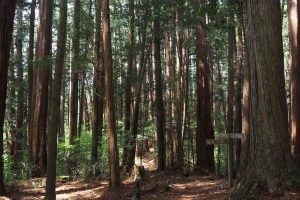
Koyasan’s approach to tourism combines spiritual hospitality with innovative sustainability practices. To avoid overcrowding during peak holidays, the village provides a congestion forecast calendar, encouraging visitors to come on quieter weekdays. This not only improves the experience for travelers but also protects the village’s peaceful environment. Koyasan further promotes sustainable access by guiding visitors to vacant parking areas and offering detours through ICT technologies, all while encouraging the use of public transportation over private vehicles. These environmental measures reduce congestion and carbon emissions, preserving the delicate mountain ecosystem surrounding this sacred site. By actively managing tourist flows, the village protects both its cultural and natural heritage without compromising accessibility. This well-balanced model allows Koyasan to remain a living spiritual center while meeting the needs of modern travelers. The result is a thoughtful, sustainable tourism ecosystem where preservation and progress move together in harmony, ensuring the sacred mountain village thrives for generations to come.
-
The community is keeping Koyasan’s hospitality strong.
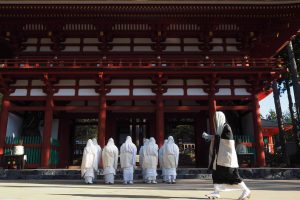
Facing a serious labor shortage in temple lodgings and restaurants, Koyasan took a proactive and community-led approach to resilience. An organization funded by local temples obtained a license to operate a temporary staffing service. Using reservation data, the service dispatches workers to temple lodgings most in need, ensuring smooth and uninterrupted operations. This innovative model not only addresses short-term staffing gaps but also reinforces the village’s ability to offer high-quality visitor experiences. By expanding this system to restaurants and souvenir shops, Koyasan is supporting its broader local economy while safeguarding its cultural fabric. The effort showcases a powerful example of social sustainability in action where heritage is protected not just through monuments or rituals, but by supporting the people who uphold them. This flexible, data-driven staffing solution ensures that both traditional hospitality and economic stability are maintained. Koyasan’s community is actively shaping a future where sacred tradition and practical innovation thrive together.