
Lô Lô Chải
Viet Nam
Lô Lô Chải
Viet Nam
Lô Lô Chải
Viet Nam
Lô Lô Chải
Viet Nam
2025
Best Known For:
Climate Change Mitigation or Adaptation
Cultural Heritage Promotion and Conservation
Tourism Development and Destination Management
Contact
This village preserves its heritage at the edge of the nation
Nestled in Lũng Cú Commune in Hà Giang Province, at the northernmost tip of Vietnam, this small village is home to the Lô Lô ethnic group, one of the country’s 53 recognized minorities. Perched within the Đồng Văn Karst Plateau UNESCO Global Geopark and near the symbolic Lũng Cú Flagpole, the village reflects the unique intersection of cultural pride and natural grandeur. Traditional earthen “trình tường” houses made from clay showcase centuries-old architectural knowledge, while the Lô Lô people maintain their language, costumes, and ancestral customs. Festivals such as the Ancestor Worship Ceremony, Forest God Ritual, and Rice Harvest Festival offer immersive cultural experiences. Visitors are welcomed into a peaceful, storybook-like setting where they can enjoy local foods, learn embroidery and weaving, and engage with authentic village life. Through community-led initiatives, heritage preservation, and sustainable homestay tourism, the village balances tradition with thoughtful development, offering a deeply rooted, culturally rich travel experience.
HIGHLIGHTS
-
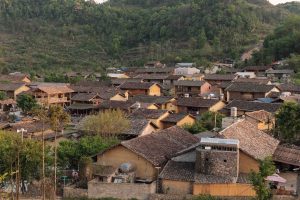
Cleaner homes and homestays improve lives and welcome guests
In recent years, the village has undergone a quiet transformation that puts both community well-being and sustainable tourism at the forefront. Through strategic planning, livestock areas have been relocated away from residential zones, creating a cleaner, healthier living environment for residents. At the same time, local homes have been upgraded or newly built to include homestay accommodations that remain true to the village’s cultural identity. These spaces now provide comfort for both families and visitors, offering guests a deeper connection to daily life. Organized living environments have raised the quality of life while enhancing the village’s appeal as a tourist destination. This improvement is not about modernization for its own sake, it’s about strengthening the village’s ability to offer authentic, community-rooted experiences that benefit everyone. In embracing sustainable development practices, the village ensures that tourism supports the local economy while respecting cultural traditions and improving the standard of living for future generations.
-
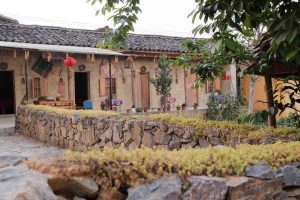
Old homes open doors to new cultural understanding
Heritage preservation here is more than conservation, it’s a lived experience. The village has embraced a “living museum” model that turns everyday life into an invitation for cultural exchange. Residents are encouraged to welcome guests into their homes, many of which are traditional clay houses over 200 years old. These historic homes, preserved with care, now serve as open exhibition spaces that share the village’s story through architecture, daily routines, and ancestral knowledge. Visitors can witness and participate in local customs, deepening their understanding of the Lô Lô culture. This approach empowers the community to lead its own tourism journey while safeguarding the very identity that draws travelers in. As a proud example of community-based tourism, the village is eager to share its experiences with others in the UN Tourism Best Tourism Villages network. Through creativity and cultural pride, it proves that local leadership can sustain both heritage and livelihoods
-
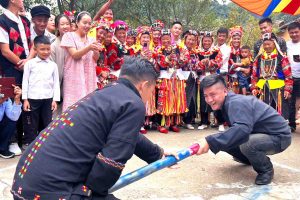
Cultural nights turn tradition into shared celebration
Every Friday and Saturday night, the village comes alive with the sounds and rhythms of tradition. From 8 to 10 PM, the community cultural house hosts vibrant performances that bring together villagers and guests alike. These free events showcase traditional folk songs, heritage dances, and lively cultural sports such as bamboo pole and stick dancing. More than entertainment, these evenings are a dynamic expression of living heritage, turning age-old practices into meaningful community gatherings. They provide a platform for younger generations to engage with their roots, while offering visitors a chance to connect with the culture in a participatory and joyful way. By embedding cultural performance into the weekly rhythm of village life, the community not only preserves its intangible heritage but also fosters pride and social cohesion. These evenings are a shining example of how tourism can honor tradition while creating shared, enriching experiences that celebrate identity and inclusion