
Muju Village
Republic of Korea
Muju Village
Republic of Korea
Muju Village
Republic of Korea
Muju Village
Republic of Korea
2025
Best Known For:
Governance
Environmental Sustainability
Value Chain Integration
Contact
Nature and people thrive together in this mountain village.
Located in the northeastern part of Jeonbuk Special Self-Governing Province, this clean ecological village is where Deogyusan National Park meets the Namdaecheon Stream. Surrounded by pristine scenery and known as a habitat for fireflies, the village is home to the annual Muju Firefly Festival, which promotes ecological and environmental awareness on a global scale. A well-integrated tourism model combines ecotourism, cultural heritage, wellness, and hands-on learning to create a meaningful experience for all visitors. Residents play an active role by organizing festivals, leading experience-based programs, and selling local agricultural products. These efforts strengthen both the community and the local economy. To address population decline, the village is introducing innovative systems like the Digital Tourism Resident Card, which encourages long-term stays and deeper connections. Going beyond scenic beauty, this is a future-oriented destination where humans and nature live in balance, and where sustainability is not just a value but a way of life.
HIGHLIGHTS
-
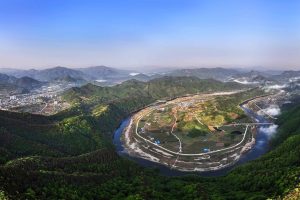
Firefly treks spark curiosity and conservation
The Firefly Eco-Exploration program is a signature initiative that links nature education with responsible tourism. Scheduled during the summer firefly season, the program invites participants to walk forest trails at night and observe fireflies in their natural habitat. Along the way, trained guides share stories about the local ecosystem, offering families and eco-minded travelers a rare glimpse into the fragile beauty of nocturnal wildlife. This immersive experience deepens ecological understanding while promoting environmental stewardship. By aligning tourism with education and conservation, the program reinforces the village’s role as an ecotourism destination. It also encourages visitors to value and protect the biodiversity they encounter, turning passive sightseeing into active learning. As a low-impact activity with high emotional and educational value, the Firefly Eco-Exploration serves as a powerful model for nature-based tourism that inspires wonder, fosters respect for the environment, and leaves a lasting impression without leaving a trace.
-
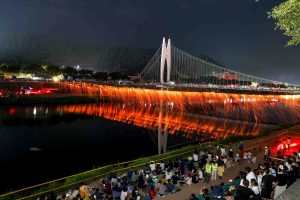
Traditional firework art lights up the night
Nakhwa Nori, or “falling flower fireworks,” transforms the night sky into a cultural celebration. In this revived tradition, charcoal powder is carefully burned to scatter glowing sparks like petals above the Namdaecheon Stream. This breathtaking spectacle, performed regularly, connects visitors with an intangible cultural heritage once at risk of being forgotten. By turning tradition into performance, the village offers a powerful example of how heritage and tourism can enrich one another. Local artists and craftspeople are central to the event, ensuring authenticity while also generating economic opportunities through their skills. The experience blends natural beauty, historical art, and modern tourism in a way that’s unique, sustainable, and deeply rooted in place. As a nighttime attraction, Nakhwa Nori draws visitors beyond the daytime hours, supporting the local economy through extended stays. With cultural preservation at its core, this radiant event keeps history alive while shining a sustainable light on the future.
-
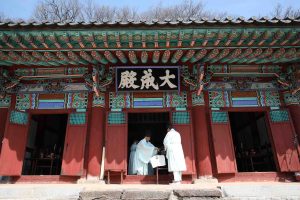
Film, music, and mountains create a new kind of festival
The Muju Mountain Film Festival redefines what a rural event can be by blending cinema, nature, and culture into one unforgettable experience. Designed as a nighttime and mobile event, the festival features outdoor film screenings, camping, and live music performances that resonate with Gen Z and young families. These immersive activities draw visitors into the heart of the community and extend their stay, benefiting local businesses through increased demand for food, lodging, and services. Beyond economic impact, the festival champions sustainability by using reusable dishware and promoting low-waste practices. With its low environmental footprint and high visitor engagement, it serves as a model for eco-conscious, stay-type tourism. The festival doesn’t just entertain, it invites people to experience the village in a deeper, more creative way. It transforms open spaces into cultural stages and strengthens the village’s identity as a destination where art, nature, and community come together in perfect harmony.