
Plateliai
Lithuania
Plateliai
Lithuania
Plateliai
Lithuania
Plateliai
Lithuania
2025
Best Known For:
Cultural Heritage Promotion and Conservation
Infrastructure, Accessibility and Transport
Economic Sustainability
Contact
Where History Meets the Lake’s Horizon
Plateliai, located in Lithuania’s Plungė Municipality, is a village that reflects the beauty of the country’s natural landscapes and cultural heritage. Resting on the shores of Lake Plateliai, the largest lake in Samogitia, the village is a gateway to tranquil waters, lush forests, and diverse wildlife. Its history is deeply rooted in local traditions, reflected in community-led initiatives that preserve crafts, stories, and customs. Festivals and cultural events bring villagers and visitors together, showcasing music, dance, and gastronomy that celebrate Lithuanian identity. The lake itself is central to life here, serving both as a natural resource and as a driver for sustainable tourism. Activities like hiking, cycling, and nature observation allow visitors to experience the pristine environment while supporting eco-conscious practices. By balancing cultural vitality with environmental responsibility, Plateliai presents itself as a destination where heritage, community, and nature thrive side by side.
HIGHLIGHTS
-
Holidays and History
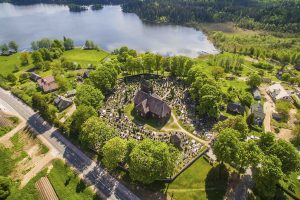
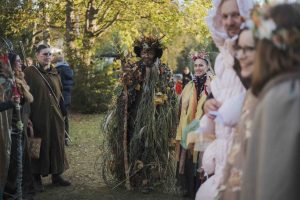
Plateliai’s “Holidays and History” initiative brings culture alive through vibrant events that unite heritage with sustainable tourism. Every year, as holidays approach, the village transforms into a celebration of identity, with performances, crafts, and storytelling that highlight Lithuanian traditions. These festivities strengthen community pride while offering visitors an authentic cultural immersion. Rooted in local history, the events encourage respect for traditions passed down through generations. They also create sustainable opportunities for artisans, musicians, and farmers to share their skills, ensuring economic benefits flow directly to the community. Importantly, the programme engages youth, inspiring them to preserve cultural practices while exploring innovative ways to share them with a wider audience. By showcasing the richness of local heritage, the initiative positions Plateliai as a cultural hub where tourism contributes not only to the economy but also to the continuity of traditions. In this way, holidays become both a time of celebration and a platform for cultural sustainability.
-
Free Mobility for All
Plateliai demonstrates its commitment to sustainability and inclusion through the “Free Mobility” initiative. For several years, the village has offered free bus services around Lake Plateliai, ensuring that both residents and visitors can explore the area without dependence on private cars. This reduces environmental impacts by lowering carbon emissions while promoting equitable access to tourism opportunities. The buses connect cultural landmarks, nature trails, and community attractions, making sustainable travel a seamless experience. By investing in free mobility, Plateliai also ensures that vulnerable groups, including the elderly and youth, can participate fully in community and cultural life. This initiative reflects a forward-thinking vision where accessibility and environmental stewardship go hand in hand. It not only encourages greener travel but also strengthens social inclusion by uniting people through shared experiences of the region’s natural and cultural treasures. In doing so, Plateliai sets a powerful example of sustainable rural tourism anchored in accessibility.
-
Innovative Approach to Cultural Tourism
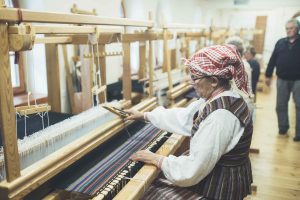
Plateliai has embraced an innovative approach to cultural tourism that enriches both the visitor experience and community identity. This initiative connects traditional practices with modern storytelling, creating immersive encounters that deepen understanding of local heritage. Through guided tours, workshops, and interactive cultural programmes, visitors engage directly with the customs and crafts that define the region. The project ensures sustainability by empowering local residents as key actors in tourism development, enabling them to share knowledge while generating income. It also reduces the risk of cultural erosion by valuing authenticity and ensuring traditions remain vibrant in the face of modern pressures. By aligning cultural preservation with tourism, Plateliai strengthens its resilience, ensuring that economic benefits flow back to the community while heritage remains intact. This forward-looking model demonstrates how rural villages can use innovation to safeguard their identity while welcoming visitors into a living cultural landscape.