
Quynh Son Community-based Tourism Village
Viet Nam
Quynh Son Community-based Tourism Village
Viet Nam
Quynh Son Community-based Tourism Village
Viet Nam
2025
Best Known For:
Agriculture
Cultural Heritage Promotion and Conservation
Education & Skills Development
Contact
Where Mountains Embrace a Living Culture
In the heart of Lang Son UNESCO Global Geopark and Bac Son Special National Monument, this community-based tourism village rests in a serene valley surrounded by limestone mountains. Inhabited by the Tay ethnic group, all with the surname “Duong,” the village features over 400 traditional wooden stilt houses, each topped with yin-yang tiled roofs and south-facing for harmony with nature. The community preserves the Tay people’s rich cultural heritage, including UNESCO-inscribed Then singing, Đàn Tính music, and the Long Tong Festival. Visitors can explore historical landmarks such as Ra Rieng Bridge, Nong Luc and Quynh Son Communal Houses, and the Bac Son Martyrs Temple. The area is dotted with ancient trees, flower stream boat rides, and the summit of Na Lay Mountain, offering sweeping views of golden rice fields. Tourists are invited to experience local cuisine and Tay life firsthand from tile-making and rice milling to enjoying black Chưng cake and Bac Son tangerines. With the guiding theme of preserving ethnic identity through solidarity and development, the village promotes a peaceful, inclusive model of cultural and community-based tourism that honors tradition while embracing innovation.
HIGHLIGHTS
-
Bringing Heritage to Screens and Social Streams
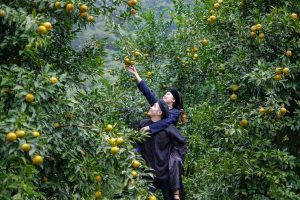
To amplify awareness and reach a wider audience, the village launched a dynamic digital communication campaign in 2024. Recognized by Lang Son’s Center for Investment, Trade and Tourism Promotion, the initiative invited celebrities, KOLs, and content creators to experience and share Quynh Son’s unique offerings through short-form videos on platforms like TikTok and Facebook. The campaign successfully captured attention by showcasing authentic Tay experiences like traditional stilt houses, cultural performances, and immersive activities through the eyes of influential guests. The village also built a dedicated TikTok channel, @dulichbacquynh, gaining nearly 10,000 followers and 28,000 likes, and launched a tourism website to provide easy access to up-to-date visitor information. This strategy not only aligns with Vietnam’s digital transformation goals but also gives the community a sustainable tool for visibility and engagement. By embracing social platforms while preserving its cultural roots, the village demonstrates how local tourism can thrive through innovation and digital empowerment.
-
Festivals that Celebrate the Golden Heart of the Valley
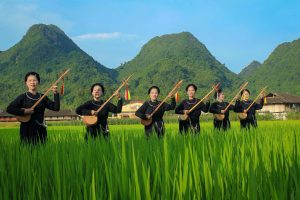
Surrounded by the arc of the Bac Son Mountain range and vast rice fields, the village has turned its natural landscape into a stage for cultural celebration. The annual “Bac Son Golden Season” Festival, held during the ripe rice season, has become a vibrant showcase of Tay heritage. Competitions like traditional rice harvesting and pounding, black Chưng cake wrapping, and tile-making connect visitors with ancestral practices. Guests can also join wellness experiences using local medicinal herbs, enjoy flower stream boat rides, or view the valley’s golden patchwork from a paraglider. These events integrate local culture, tourism, and agricultural rhythms into one immersive celebration. By highlighting the village’s natural and cultural strengths, the festival strengthens community pride and visitor engagement. It also boosts economic opportunities for residents by drawing tourists during key seasonal moments. This successful blend of tradition and creativity demonstrates how festivals can be powerful vehicles for sustainable tourism rooted in place.
-
A Market for Memories, Grown and Made at Home
Tourism in the village directly supports the local economy by connecting visitors with handmade and homegrown products. In 2024, food services and on-site product sales accounted for 35% of the village’s total community tourism revenue. Local residents offer a rich array of specialties, including black sticky rice cake, Bac Son tangerines, natural honey, and seasonal vegetables. These goods are not just souvenirs they represent the village’s agricultural heritage and culinary identity. As visitors engage in immersive experiences like cooking, harvesting, and traditional Tay crafts, they also gain a deeper appreciation for the value of these products. This growing market enables villagers to generate income while preserving traditional livelihoods. It also encourages sustainable production, supports small-scale entrepreneurship, and reinforces the link between cultural tourism and rural development. By promoting local consumption within a cultural tourism framework, the village builds an economy that is both inclusive and deeply rooted in its land and identity.