

Tonosho
Japan
Tonosho
Japan
Tonosho
Japan
Tonosho
Japan
2025
Best Known For:
Agriculture
Governance
Value Chain Integration
Contact
Where Island Heritage Meets Sustainable Horizons
Tonosho Town, located in the northwestern part of Shodoshima Island and extending across Teshima, Odeshima, and Okinoshima in Japan’s Seto Inland Sea, is a village where nature and tradition coexist in harmony. With nearly 40% of its land designated as Setonaikai National Park, the area is known for its rich natural beauty and warm, resilient community of 12,000 people. Agriculture, livestock breeding, and fishing are the lifeblood of the town, supported by environmentally conscious practices such as recycling-oriented olive farming and local seafood branding. Cultural heritage thrives through hand-pulled Somen noodles, traditional sesame oil and soy sauce production, and the nationally recognized Hitoyama Rural Kabuki. Tourism has become a revitalizing force, especially in Meironomachi, where restored historic buildings host art projects and local guides share stories of the past. On Teshima Island, local residents offer immersive stays that highlight island life and cuisine. Through creative subsidies and strong community collaboration, Tonosho Town fosters a sustainable balance of economic growth, cultural preservation, and environmental stewardship, making it a model for responsible rural tourism.
HIGHLIGHTS
-
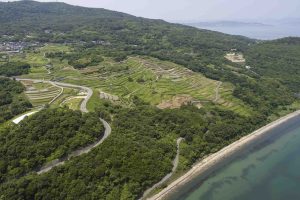
Teshima’s Creative Approach to Sustainability
Teshima Island, part of Tonosho Town, has become a symbol of sustainable cultural tourism. Known as the “Island of Art,” it is home to the Teshima Art Museum and a landscape scattered with open-air artworks. Despite attracting three times as many visitors as residents during peak seasons, the island retains its authenticity through community-led initiatives. Local farmers and fishermen offer accommodations within their own homes, creating an immersive experience that allows visitors to discover the true essence of island life. Meals are prepared with seasonal vegetables and fresh fish from Teshima, forging deep connections between people, culture, and nature. This home-stay model not only generates additional income but also strengthens local identity and environmental awareness. Backed by Tonosho Town’s subsidies supporting sustainable tourism efforts, including SDG-related events and waste reduction initiatives, Teshima exemplifies how creative expression and community engagement can drive tourism that honors both people and the planet.
-
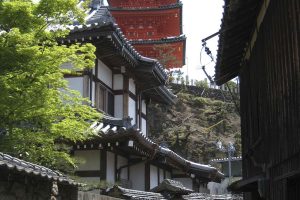
Reviving Meironomachi Through Heritage and Innovation
Meironomachi, once a bustling maze of homes and storefronts, faced challenges due to population decline and rising vacancies. Rather than letting the area fade, Tonosho Town and its residents embraced its historic charm to drive sustainable tourism. With public and private sector cooperation, vacant houses and shops were transformed into vibrant cultural spaces. The Meironomachi Art Project, which repurposed a vacant house into an award-winning museum, exemplifies this renewal. Guided tours by local volunteers now breathe new life into the district, connecting visitors to its history. Subsidies support the renovation and upkeep of traditional structures, ensuring preservation of architectural heritage while stimulating local economic activity. By turning decline into opportunity, Meironomachi has become a beacon of community-driven revitalization. This thoughtful blend of cultural preservation and adaptive reuse demonstrates how tradition, when supported with innovation and sustainability, can form the foundation of a thriving, responsible tourism model.
-

Sustaining Culture Through Local Livelihoods
In Tonosho Town, sustainability extends beyond nature to the preservation of local heritage and livelihoods. Agriculture, livestock breeding, and fishing are not only economic staples but also cultural pillars. The town is known for recycling-oriented agriculture using olives—a regional specialty—minimizing waste and maximizing value. Tonosho also boasts time-honored food traditions, including sesame oil and soy sauce production since 1858, and its renowned hand-pulled Somen noodles, ranked among Japan’s top three. At the heart of its cultural identity lies Hitoyama Rural Kabuki, Japan’s first nationally recognized rural kabuki to have both its stage and performance designated as cultural heritage. These enduring traditions are actively preserved and integrated into community life. Tonosho Town provides subsidies and support to ensure cultural practices remain vibrant and relevant. This commitment to sustaining tradition while supporting local livelihoods exemplifies a holistic approach to sustainability—one that values the past while empowering the present for a resilient future.