
Yangsuri Village
Republic of Korea
Yangsuri Village
Republic of Korea
Yangsuri Village
Republic of Korea
Yangsuri Village
Republic of Korea
2025
Best Known For:
Agriculture
Environmental Sustainability
Value Chain Integration
Contact
Water and tradition flow in harmony
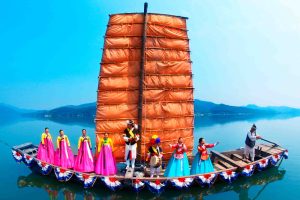
Yangsuri Village, located at the meeting point of the Bukhangang and Namhangang Rivers, plays a vital role as a drinking water source for 25 million residents in the Seoul metropolitan area. Originating from Mount Geumgang and Gangwon-do, these rivers shape not only the landscape but the village’s deep connection to nature. Yangsuri preserves the most poetic scenery of the old Han River ferry crossing, with its clean water, traditional ferry landscape, and thriving lotus gardens. Local residents created “The Garden of Water (Semiwon)” to purify the rivers naturally using lotus flowers, while pesticide-free, eco-friendly farming has been practiced since 1998. The village also maintains age-old riverside rituals and cultural traditions, keeping its heritage alive. Today, Yangsuri stands as a model of ecological and cultural tourism, where the community’s daily life reflects a commitment to sustainability. It is a place where water, culture, and nature come together in meaningful and lasting ways.
HIGHLIGHTS
-
Gardens bloom into a sustainable village identity
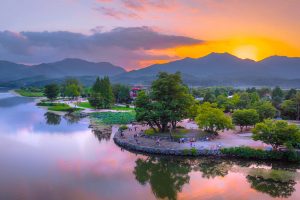
Yangsuri’s identity as a Garden Culture Village is rooted in its community-led approach to environmental protection. Residents created “The Garden of Water (Semiwon)” not just as a tourist site, but as a living system that purifies water through lotus flowers. Its success has inspired broader efforts to build a village brand centered on ecology, culture, and lifestyle. Dumulmeori, the historic river junction, and the lotus garden are being expanded and integrated into a unified garden destination. The long-term goal is to elevate this area to National Garden status, reflecting its importance as both a natural and cultural treasure. In 2026, Yangpyeong will host the Gyeonggi Garden Expo, further reinforcing the village’s position as a leader in eco-cultural tourism. Through gardens, the community shares its values of beauty, sustainability, and environmental stewardship with visitors. These efforts transform landscape into legacy and ensure that the village’s natural assets are celebrated and protected.
-
Farming becomes a source of healing and resilience
Yangpyeong County, home to Yangsuri Village, is widely recognized as the birthplace of eco-friendly farming in Korea. Since 1998, farmers have embraced pesticide-free, sustainable agriculture to protect the local water sources and environment. Now, the county is taking this commitment further by introducing “healing agriculture” a forward-looking approach that connects farming with physical and emotional well-being. Plans are underway to establish ordinances and master plans that support this new agricultural model. By integrating health-focused practices into rural life, the initiative aims to improve residents’ quality of life, attract meaningful tourism, and create a new growth engine for the local economy. Healing agriculture represents a bold step beyond traditional eco-farming: it restores people and places alike. In Yangsuri, farming is more than food production, it is a way to connect with nature, reduce stress, and find balance. This evolution ensures that agriculture remains both economically and socially sustainable in a changing world.
-
Nature education creates pathways to sustainable tourism
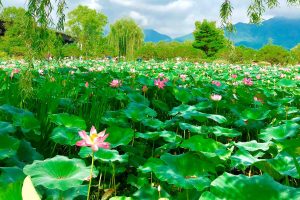
To ensure the long-term protection and enjoyment of its ecological assets, Yangsuri Village has launched a comprehensive master plan for ecotourism. Spanning nearly 50,000 square meters, the initiative includes an ecological experience center and wetlands where visitors can observe insects, reptiles, wildflowers, and aquatic plants in their natural habitat. Organic experience farms and hands-on agricultural programs allow guests to connect with sustainable food practices, while spaces for traditional culture offer deeper insight into the village’s heritage. This integrated approach transforms the landscape into a living classroom and invites visitors of all ages to learn about the harmony between people and nature. By combining environmental preservation with educational experiences, the village fosters responsible tourism and intergenerational awareness. These efforts ensure that ecological and cultural values are not only sustained but shared. In Yangsuri, tourism becomes a powerful tool for conservation, understanding, and community resilience rooted in the land, and growing toward the future.