
Chamarel
Mauritius
Chamarel
Mauritius
Chamarel
Mauritius
Chamarel
Mauritius
2025
Best Known For:
Cultural Heritage Promotion and Conservation
Environmental Sustainability
Resource Efficiency and Waste Management
Contact
Colours of Nature, Roots of Heritage
Chamarel, nestled in the southwest of Mauritius within the Black River District, is a region rich in both natural wonder and cultural legacy. Named after French settler Charles Antoine de Chazal de Chamarel around 1800 and once called the “Valley of Blacks” by freed slaves, the village carries layered histories in its name and landscape. At the heart of the community stands the Chapel of St. Anne, built in 1876, which becomes a vibrant gathering place during the annual St. Anne Day fair. Chamarel’s globally recognized Seven Coloured Earths showcase a natural mosaic of volcanic sands, while the 95-meter Chamarel Waterfall flows through verdant valleys rich in endemic ebony forests. Conservation is central to Chamarel’s identity, with the Ebony Forest project restoring native biodiversity through immersive eco-tourism. From hiking trails to the Rhumerie de Chamarel distillery, which models green production, to restaurants serving locally sourced dishes, Chamarel offers a blend of sustainability, adventure, and tradition. The village’s tourism development honors its past while nurturing an environmentally responsible future.
HIGHLIGHTS
-
Healing the Forest, Reviving the Island
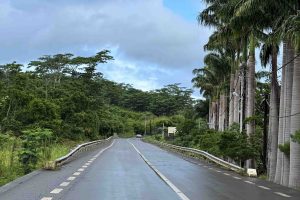
The Ebony Forest conservation initiative is one of Chamarel’s most inspiring sustainability stories. Founded in 2017, the project spans 34 hectares of native sub-arid forest and lies adjacent to the Black River Gorges National Park. Dedicated to restoring Mauritius’ endemic flora and fauna, the forest now holds over 154,000 planted native species and has become a refuge for rare birds, including the Mauritius kestrel and echo parakeet. This reforestation effort is not just about environmental preservation but active public participation. Visitors are invited to take part in guided walks, treetop canopy tours, and even plant trees themselves creating a living bond with nature. Invasive plant removal is also part of the project’s ecological rehabilitation efforts. Through education, engagement, and conservation, the Ebony Forest represents a model for eco-tourism where sustainability, biodiversity, and community pride converge. It’s not only a destination but a living legacy of what responsible tourism can achieve.
-
Nature in Full Spectrum
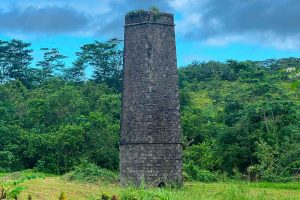
The Chamarel Seven Coloured Earths Geopark stands as one of Mauritius’ most iconic attractions and a benchmark for eco-tourism. These rainbow-hued dunes, formed by volcanic erosion, mesmerize visitors with their red, brown, violet, blue, purple, green, and yellow tones. But beyond their visual appeal, the site champions environmental responsibility. The Geopark has adopted waste-to-resource practices that minimize ecological impact. Organic waste is composted, cooking oil is converted into biofuel, and solid waste is sorted to reduce what ends up in landfills. These efforts not only protect the fragile natural environment but also educate visitors on the importance of sustainable operations. Through clear signage, interpretation centers, and eco-conscious design, the site seamlessly blends awe-inspiring natural beauty with environmental awareness. Chamarel’s Seven Coloured Earths shows how world-class attractions can also lead the way in climate action and conservation, offering a vision of tourism that is vibrant, responsible, and future-focused
-
A Taste of Tomorrow, Rooted in Tradition
Le Chamarel Restaurant embodies the essence of Chamarel’s sustainable living and cultural pride. Its ‘Now for Tomorrow’ program integrates a circular economy model directly into the dining experience. Approximately 82% of ingredients are sourced locally, supporting Mauritian farmers and reducing carbon footprints. The restaurant reduces waste, uses environmentally friendly cleaning technologies, and incorporates traditional and contemporary local flavors in its menu. More than just a place to eat, Le Chamarel connects diners to the island’s identity through culinary storytelling and cultural expression. Community engagement plays a key role, with initiatives that promote local heritage, from ingredient sourcing to showcasing artisanal crafts. Through this holistic approach, the restaurant highlights how sustainability can be both delicious and deeply rooted in place. Le Chamarel is not only nourishing its guests but also nurturing the local economy and environment, making every meal a step toward a more regenerative tourism model.